AI in action: How teachers are using AI to plan smarter and empower learners
Juliana Valadares
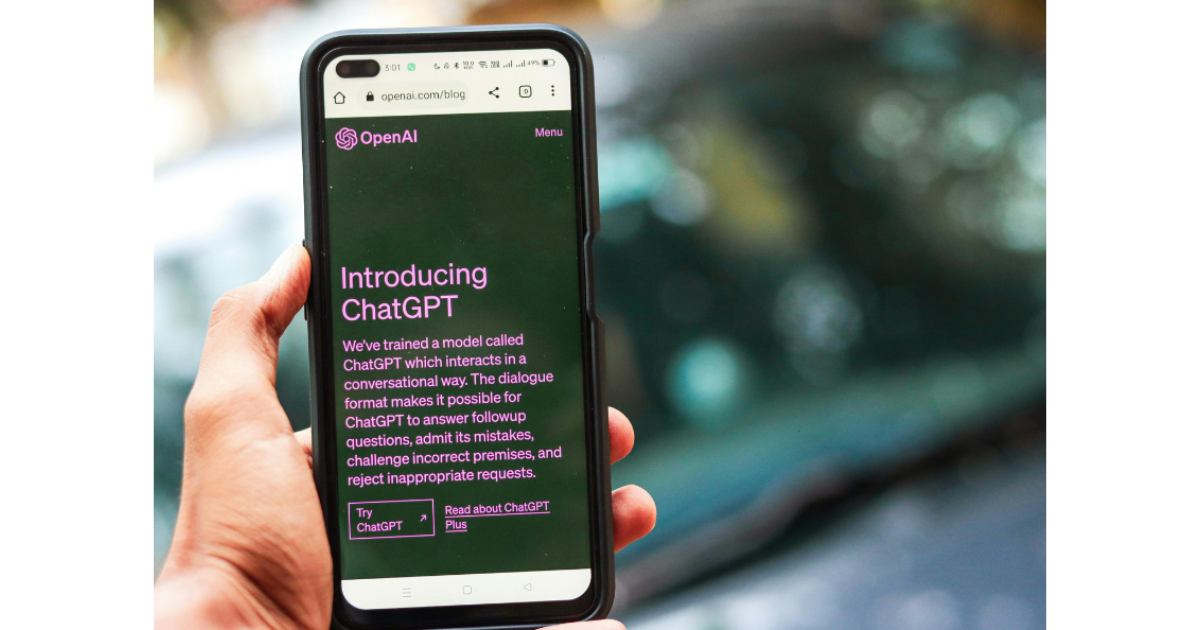
Teacher Juliana Valadares shares how she moved from AI sceptic to advocate, and how she now uses AI to plan lessons, differentiate materials, and support learner independence.
When I first heard about AI in education, I was doubtful. As a busy teacher, it felt like just another tool I didn't have time to learn, and I wasn't convinced it could truly help experienced educators or meet the needs of my learners.
That changed when I realised my students were already using tools like ChatGPT to write their homework. As the adult in the room, I knew I had a responsibility to understand how these tools worked so I could guide them in using AI ethically and effectively.
Since then, I've discovered that AI, when used thoughtfully, can become a powerful teaching partner. It can save time, support personalised learning, and build learner independence.
Plan Smarter With AI
Whether you're designing activities or working with a new syllabus, AI can speed up your planning and give you greater confidence.
One colleague described it well:
"AI helps me get more done in less time, and I finally get my weekends back."
You still need to adapt what AI gives you, but it can quickly generate vocabulary lists, step-by-step instructions, model texts, and differentiated activities. If you're teaching a mixed-ability class, you can use AI to modify tasks for different levels with minimal effort.
You can also experiment with AI in your daily life, such as drafting emails, planning meals, or organising your schedule. This helps you build fluency in using prompts and strengthens the skills you'll pass on to your learners.
Differentiate Without the Burnout
Creating materials at different levels used to be one of the most time-consuming parts of the job. AI makes this easier. You can ask it to simplify or enhance the same text for learners at different stages, or adjust comprehension questions to match their abilities.
The greater benefit, however, comes when students learn to do this themselves. By teaching them how to tailor resources using AI, you're helping them take ownership of their learning.
Turn AI Into a 24/7 Study Partner
One of the most exciting changes I've seen is how students are using AI as a private tutor. It's free, always available, and never runs out of patience.
They can ask questions like "Can you find the mistakes in my paragraph?" or "Can you explain this grammar rule again?" This gives them a safe space to learn at their own pace, which builds both confidence and clarity.
As someone who learned English in Brazil with limited speaking opportunities, I'm a little jealous of today's students. I encourage them to use AI for roleplays, mock interviews, and casual conversations on class topics. This improves their speaking fluency and gives them greater control over how and when they practise. I've seen real progress from students who are usually very quiet in class.
Teach Responsible Use of AI
Using AI isn't just about efficiency. It's about thoughtful, ethical use. That's why I make transparency part of classroom practice.
We openly discuss how and when we use AI. Students are encouraged to share if they've used it, and I do the same with my planning. This builds a healthy relationship with the technology and develops critical thinking.
I also teach learners to question AI's responses. They learn to fact-check, spot bias, and think about whether using AI in a task will support their understanding or replace the learning process. These skills are valuable far beyond the classroom.
Final Thoughts
When used well, AI does not replace teachers. It supports them. It does not replace thinking. It strengthens it. And it does not limit independence. It expands it.
Start by exploring what AI can do for your own teaching. Then, introduce it to your learners as a learning partner, not just a shortcut. With the right approach, AI can help students grow more confident, more capable, and more independent in their learning journey.
To read more about my journey from sceptic to advocate, see my article "Learning to Love AI" in InTuition magazine.