Celebrating diversity: The rich tapestry of nationalities of IELTS test takers and staff at MTS
Matthew Steele
At MTS, diversity is not just a buzzword - it’s at the very heart of what we do. As a proud delivery partner to the IELTS global partners behind the IELTS exam, we’ve had the privilege of meeting a
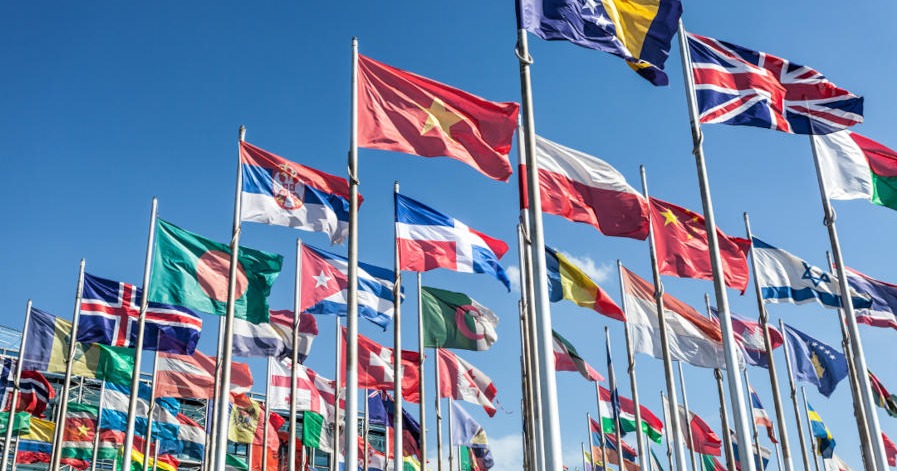
At MTS, diversity is not just a buzzword - it’s at the very heart of what we do. As a proud delivery partner to the IELTS global partners behind the IELTS exam, we’ve had the privilege of meeting and welcoming IELTS test takers from across the globe. And in 2024, the numbers tell a powerful story: people coming from a total of 154 different nationalities chose MTS’s venues to take their IELTS exam, reflecting the immense global appeal of this life-changing English language qualification.
A truly global community of IELTS test takers
Among the rich tapestry of nationalities represented within MTS’s IELTS test takers, here are our ‘Top 5’ nationalities in 2024:
- 21% came from Nigeria
- 15% came from China
- 10% were from here in the United Kingdom
- 8% came from India
- 3% were from Ghana
The remaining 43% came from a staggering 149 different countries globally.
A polyglot community of IELTS test takers
And this incredible diversity extends far beyond passports. Our test takers bring with them their unique cultures, aspirations, and languages. MTS welcomed IELTS test takers speaking 107 different first languages in 2024. Among these 107 different first languages (excepting English), the five most common first languages of MTS’s IELTS test takers in 2024 were Mandarin, Cantonese, Arabic, Yoruba, and Urdu*. These languages reflect the wide appeal of the IELTS exam and highlight how English proficiency qualifications are an important gateway to academic, professional, and personal growth worldwide.
Diversity at MTS the company
The multiculturalism we see in our test takers is echoed within the MTS head office team itself. At our UK-based head office, we are proud to have staff members from 15 different nationalities who collectively speak 34 different languages. This diversity isn’t just a statistic; it’s a strength. By fostering an inclusive workplace, MTS gains access to a wide range of perspectives, innovative ideas, and cultural insights. It also helps us better serve our global community of IELTS test takers, ensuring that every individual feels welcomed and understood. Having a diverse workforce has practical benefits that directly impact our success. Team members with varied cultural and linguistic backgrounds can connect with test takers in meaningful ways, helping to create a smooth and comfortable testing experience. Our inclusivity drives organisational creativity and problem-solving, empowering MTS to adapt to the ever-changing needs of a global audience.
The power of IELTS and preparing for the exam
For many, taking the IELTS exam is more than just a test – it can be a life-changing turning point. Whether it’s opening doors to prestigious universities, landing a dream job, or starting a new life abroad, an IELTS qualification can be a life-changing achievement. MTS has the largest network of IELTS test centres in the UK and Ireland and we are honoured to play a role in these journeys. We’ve seen first-hand how the IELTS exam (and getting the IELTS Band Score they need) can transform our test-takers’ lives.
Do you need more help to get the IELTS Band Score you need? MTS offers all of our IELTS test takers a range of IELTS preparation, learning and support packages to help you get the score you need. For example, we offer IELTS Mock Tests, IELTS Speaking and IELTS Writing Clinics, IELTS online courses with our expert IELTS teachers, and IELTS one-to-one tuition. MTS’s experienced teachers are here to help you, wherever you are from and whatever language you speak!
*Other ‘top thirty’ first languages, in order, were: Igbo, Ukrainian, Malayalam, Spanish, Akan, Italian, Russian, French, Shona, Portuguese, Turkish, Farsi, Romanian, Punjabi, Hindi, Japanese, Filipino, Gujarati, Tamil, German, Polish, Telugu, Korean, Singhalese and Nepali.